Traditional Chinese Medicine looks at things differently and while it may be a little confusing, there is usually some common ground that can be found upon examination and explanation. One such area is the idea of the mind. The mind in Traditional Chinese Medicine is commonly referred to as the shen. continue reading
 In the world of Traditional Chinese medicine, the lung is probably the organ whose TCM functions overlap the most with its Western functions. Respiration, the immune system and the skin are all systems heavily influenced by the lung, both in acupuncture and in Western medicine.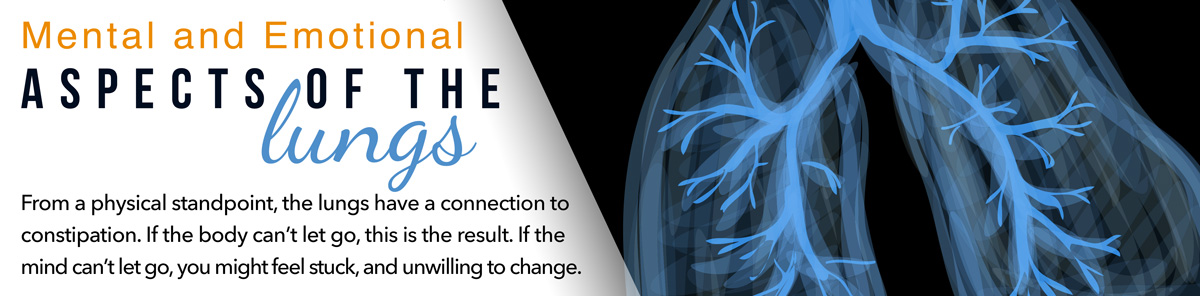
 Stress is a word many people are familiar with. The dictionary defines stress in multiple ways, but there is only one that matters when we discuss how stress affects our physical bodies. The definition is this, “stress is a physical, chemical or emotional factor that causes bodily or mental tension.” And while most people think of stress as being detrimental, it truly does have a function in our bodies. Stress is the body’s way of signaling for help or a break in the routine. If we don’t listen to these signals, we can develop imbalances in our bodies, which can then lead to illnesses.
  Acupuncture is part of a medical system that dates back nearly 3,500 years. This medical system is known as Traditional Chinese Medicine or TCM. TCM acknowledges not four but five seasons. The fifth season, Indian Summer, occurs in late August through mid-September. Each season in TCM has a pair of organs or energetic pathways it corresponds to. For Indian Summer, these pathways are those of the spleen and stomach.
